
Ten Things Atlanta Homeowners Regret After a Renovation
Nobody starts a renovation expecting to regret it. You picture the finished kitchen, the new bathroom, the moment it all comes together. But somewhere between the first estimate and the final walkthrough, decisions get made that homeowners wish they could take back.
We hear about these regrets constantly at Mo Jean Construction, sometimes from homeowners starting a new project with us, sometimes from people calling because their last contractor left them in a tough spot. Some of these are obvious. A few of them are not. All of them are avoidable.
1. Hiring a Contractor Based on Price Alone
The lowest bid almost always costs more in the end. Corners get cut, timelines slip, and the cost of fixing bad work exceeds what a qualified contractor would have charged from the start. Price matters, but licensing, insurance, a proven portfolio, and references that actually check out matter more.
Compare what is actually included line by line rather than comparing the final numbers. Our guide to hiring a general contractor in metro Atlanta covers the questions that expose a thin bid.
2. Skipping Permits to Save a Few Weeks
Some contractors suggest skipping permits to speed things up. It feels harmless until you try to sell and the inspection flags unpermitted work, or you file an insurance claim and it gets denied. Across Fulton, DeKalb, Cobb, Gwinnett, Henry and Paulding, permits are required for any work touching plumbing, electrical, structural elements, or HVAC.
A contractor who handles permits as part of the project is protecting your investment. One who tells you permits are optional is showing you how they operate.
3. Not Getting the Full Scope in Writing
Verbal agreements feel fine when the relationship is good. They fall apart the moment there is a disagreement about what was included. Your contract should spell out every line item: scope of work, materials, payment schedule, change order process, and warranty terms.
The homeowners who end up in disputes with their contractor almost always point to the same gap. Something was discussed but never documented. If it is not in the contract, it does not exist. That is the simplest rule to follow and the one most people wish they had taken seriously.
4. Skipping the Budget Contingency
Every renovation should include a 10 to 15 percent buffer for the unexpected. In older Atlanta homes, surprises behind the walls are practically guaranteed: outdated wiring, water damage behind drywall, plumbing that was patched decades ago and will not support a new layout.
The homeowners who stay on budget are the ones who planned for what they could not predict. The ones who regret their budget are the ones who assumed the best-case scenario and left no room for anything else.
5. Leaving lighting and outlets until late
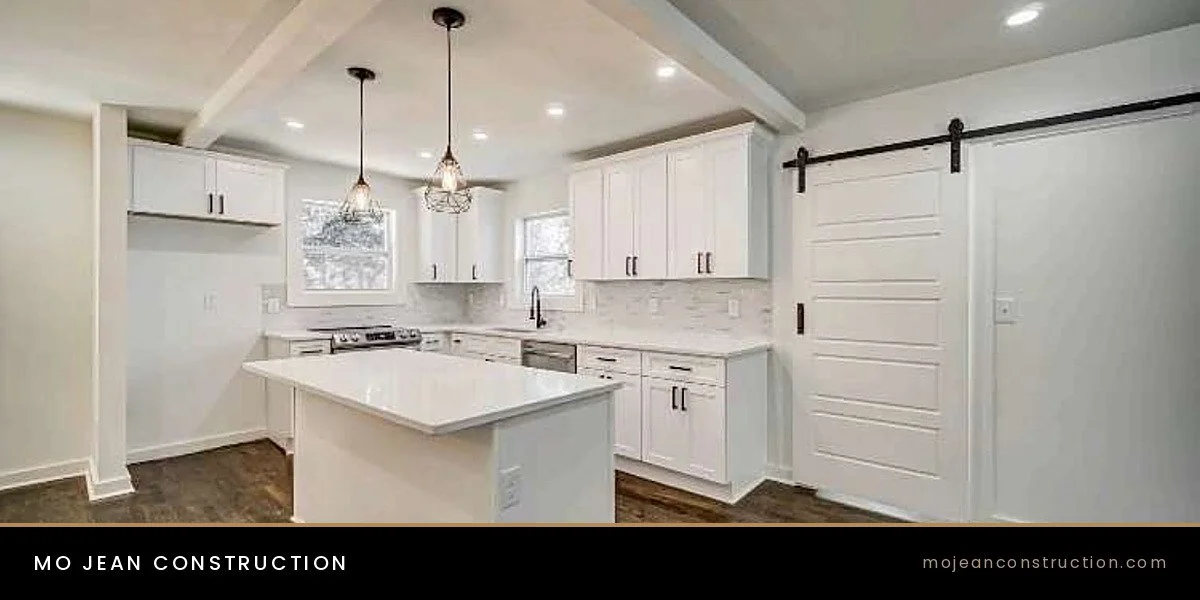
Electrical layouts must be finalized before drywall goes up. Decide early where island pendant lights will hang, where outlets sit on the kitchen island, whether the bathroom vanity has power beside the mirror, and whether walk-in closets need dedicated lighting.
Once the walls are closed, adding outlets means cutting drywall back open. Lighting placement is one of the most common regrets in a finished kitchen, yet it is one of the easiest and most cost-effective items to plan properly from the start.
6. Renovating Rooms in the Wrong Order
A homeowner refinishes their hardwood floors, then starts a kitchen remodel three months later. The demo crew drags materials across those freshly finished floors, drops tools, and tracks drywall dust through the house. The floors need to be refinished again. Or someone remodels the bathroom before fixing the roof, and a leak damages the new tile.
Sequence dictates success. Structural and exterior envelope work should always come first, followed by rough-in trades, and finally interior finishes like flooring, paint, and trim.
7. Overlooking Storage in the Design Phase
This is the regret that shows up six months after the renovation is done. The new kitchen looks incredible, but there is nowhere to put the cutting boards, the stand mixer, or the grocery bags. The bathroom vanity is beautiful, but there is half the drawer space you had before.
Storage isn't flashy, but functional storage is what makes a home liveable long-term. Every inch of cabinetry, shelving, and pull-out storage should be accounted for before a single measurement is finalized.
8. Choosing Finishes That Clash With the Rest of the House
The renovated bathroom looks stunning on its own. The problem is it looks like it belongs in a completely different house. Matte black fixtures in the bathroom, brushed nickel in the kitchen. Modern gray tile in the entryway with warm oak floors and traditional trim in the living room.
You do not need every room to match exactly, but there should be a thread that ties them together, whether that is hardware finish, color temperature, or flooring transitions. Our flooring comparison guide covers how materials work across different spaces and rooms.
9. Not asking what moving the plumbing costs
Shifting a sink or toilet just a few feet sounds simple, but it can cause major swings in a kitchen or bathroom budget. Moving plumbing requires opening subfloors, rerouting drain lines, and ensuring proper slope requirements are met.
It is often worth the investment, but the regret comes from discovering the cost mid-project instead of deciding with the numbers upfront. Read our detailed breakdown of kitchen and bathroom renovation costs to understand how structural shifts impact your bottom line.
10. Having nobody actually in charge
This single mistake causes most of the others. When a homeowner hires trades independently, there is no single party ensuring the electrician finishes before the drywall crew arrives, or that the tile order matches the plumber's rough-in specs. Communication gaps turn into delays, and delays quickly turn into cost overruns.
Mo Jean Construction runs residential and commercial property transformations with a single point of contact, so the sequencing and the trade coordination sit with one team rather than with you.
Have a Renovation Story or Question?
Have you run into a project regret that didn't make our list, or need help navigating an upcoming build? Reach out-we’d love to hear your story. At Mo Jean Construction, pre-construction planning is where we spend the most time with homeowners to ensure zero surprises down the road.
Ready to Build Without Regrets?
Domanique Sylvester and the Mo Jean team are here to help you navigate scope, cost, and timeline with total clarity.